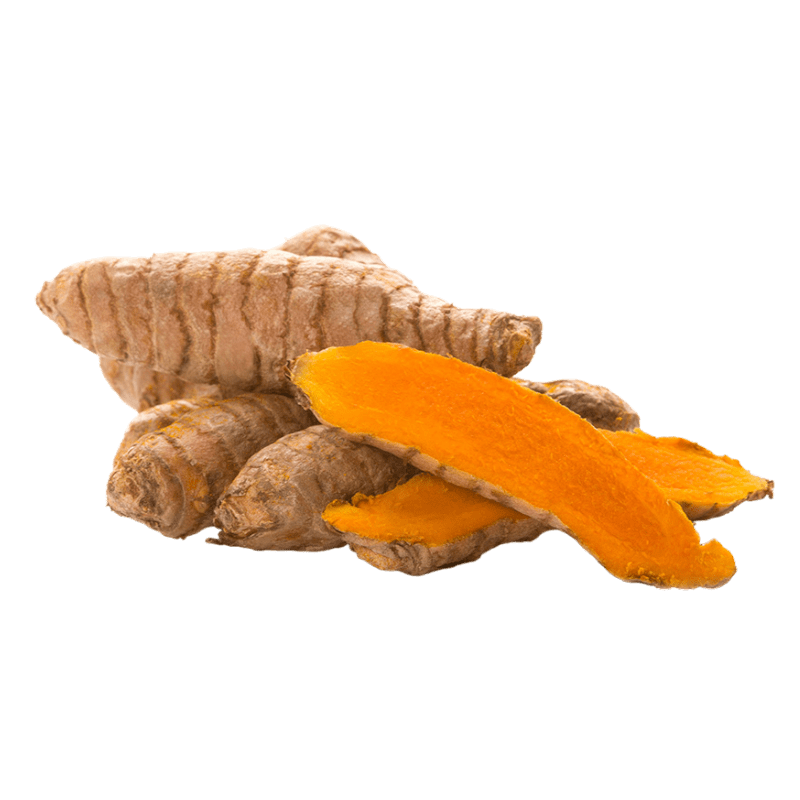
With a tradition going back thousands of years, turmeric is used in Asia as an aromatic spice, all-purpose remedy in folk medicine and as a colouring agent. The tasty all-rounder is also enjoying increasing popularity in Europe. The turmeric roots, known as superfood, also serve as an essential component of the popular “Golden Milk” drink. The roots are peeled by lightly rubbing the outer shell with a spoon or knife. Then it is advisable to cut turmeric into pieces of different sizes or grate finely, depending on the desired use.
Storage & Use:
If stored correctly, turmeric can easily be kept fresh for several weeks. Dry and airy storage in a place protected from light is ideal. The optimal storage temperature is around 12-13°C. Alternatively, fresh turmeric can be stored in the freezer for several months. However, over time the roots lose their aroma and colour. Turmeric can be used in many ways, whether as a spice or as a colouring agent in soups, sauces, dressings, with rice dishes, pasta dishes, fish and meat dishes or in smaller quantities with desserts such as yogurts, puddings, biscuits or cakes.
Benefits:
Turmeric is a traditional panacea, especially for colds. The essential oils contained in turmeric and the colour curcumin are also said to have analgesic and anti-inflammatory effects. In addition, the ingredients in turmeric should have an antibacterial and antiviral effect and promote the immune system.